

Published 2026-05-21
A comprehensive lifecycle guide to managing, maintaining and replacing air conditioning systems in Sarasota's Gulf Coast climate.
Managing a property in Florida requires a highly strategic approach to climate control. The relentless coastal heat, paired with suffocating humidity, ensures that your mechanical cooling system is the hardest-working appliance on your property. When equipment fails, it ceases to be a minor inconvenience and rapidly transforms into a severe hazard to both structural integrity and human health. Therefore, property owners must move beyond reactive fixes and embrace a holistic lifecycle approach to their mechanical investments.
This definitive guide breaks down exactly how to manage your equipment from initial commissioning to final replacement. You will discover why investing in complete air conditioning solutions in Sarasota is the most effective strategy for protecting your home or business. We comprehensively explore immediate interventions for sudden breakdowns, rigorous routine servicing protocols, and the crucial financial indicators that signal it is time for a brand-new installation.
The Unique Lifecycle of Gulf Coast Cooling Systems
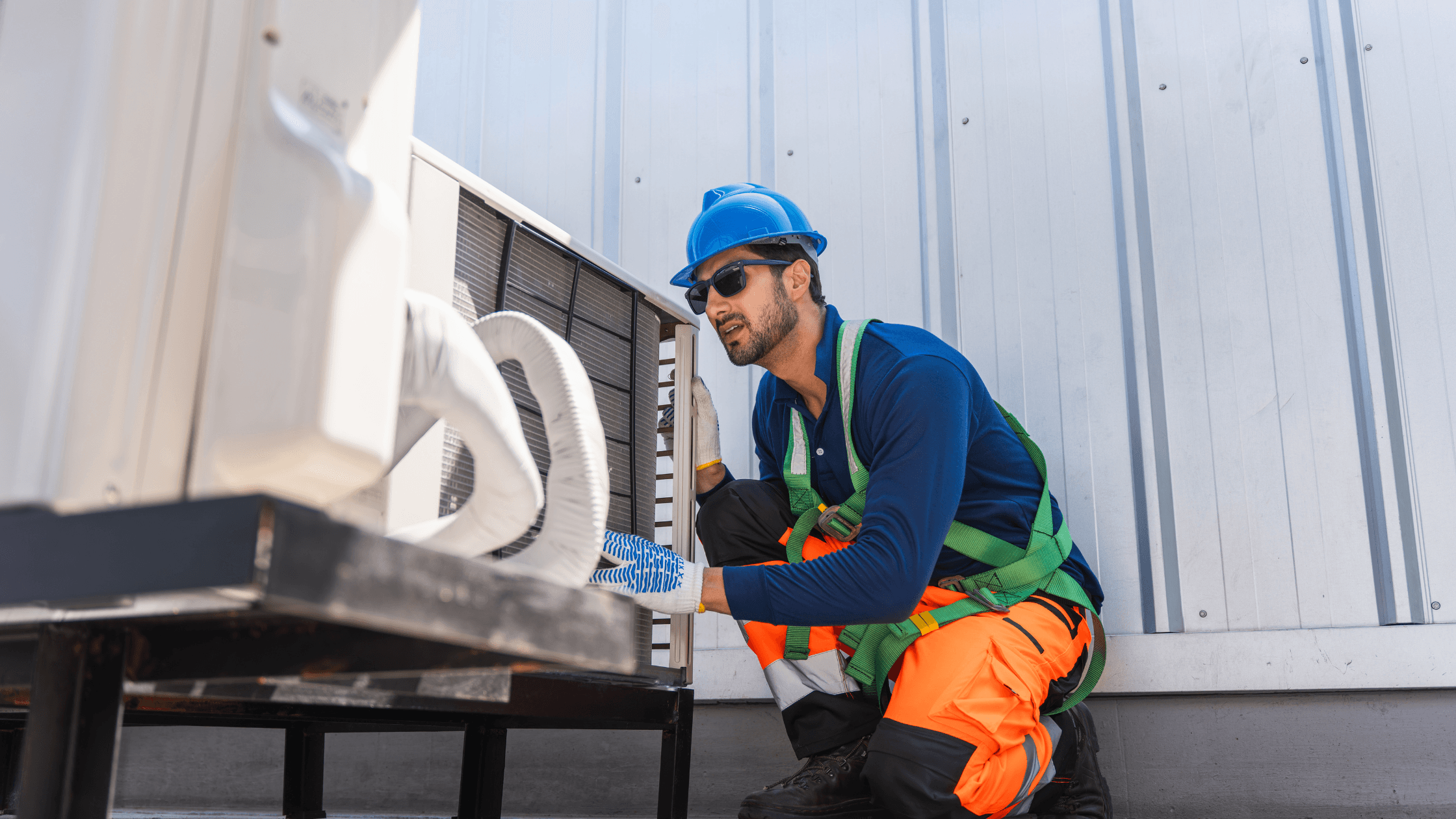
Mechanical systems operating along the Gulf Coast experience a drastically accelerated aging process compared to units in temperate climates. High airborne salt concentrations from the ocean relentlessly attack exposed metal, leading to rapid galvanic corrosion on exterior condenser coils. Furthermore, the sheer volume of operational hours required to combat the nine-month Florida summer places immense physical friction on every moving internal component.
Consequently, a cooling system in this region typically boasts a shorter functional lifespan than the national average — often 10–12 years instead of 15. Understanding this accelerated timeline is critical for proactive financial planning and minimizing unexpected capital expenditures.
The Stages of Mechanical Degradation
1. **The Optimization Phase (Years 1–3):** Peak efficiency — focus on preventative cleaning and filter replacements. 2. **The Wear Phase (Years 4–7):** Minor mechanical friction begins; comprehensive tune-ups are mandatory. 3. **The Fatigue Phase (Years 8–10+):** Major components show severe stress; weigh repair costs against replacements.
Immediate Interventions for Sudden Breakdowns
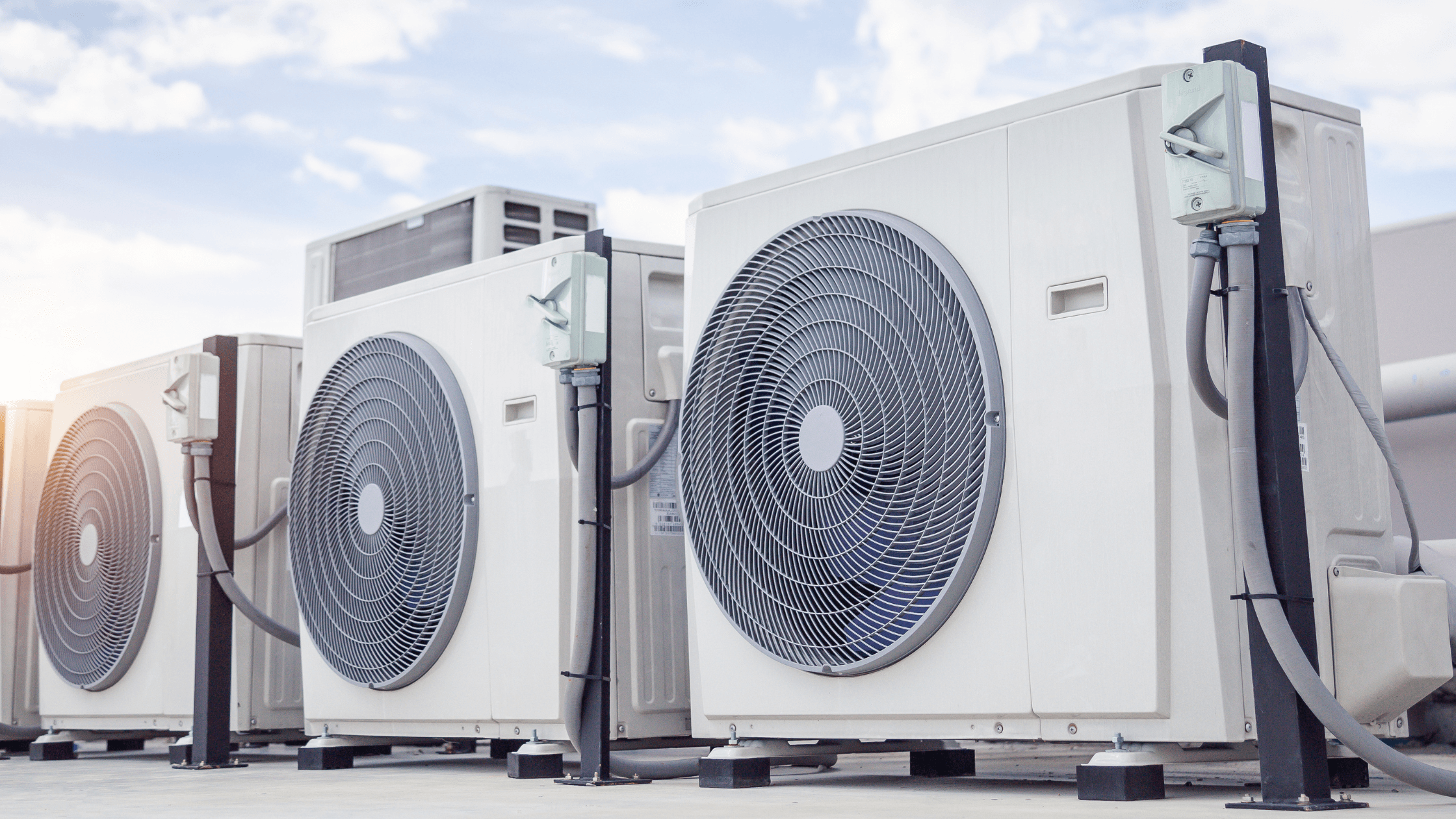
Despite rigorous preventative care schedules, unpredictable mechanical failures occasionally occur. Severe afternoon thunderstorms frequently introduce massive electrical surges into the local grid, instantly frying sensitive digital control boards or heavy-duty dual-run capacitors. When these sudden breakdowns strike, securing immediate, reliable intervention is critical.
Securing 24/7 Air Conditioning Repair
Florida heatwaves do not observe standard corporate business hours. A catastrophic system failure at midnight on a Saturday presents a severe safety risk, particularly for elderly residents or sensitive commercial inventory. Establish a relationship with a contractor who offers genuine 24/7 air conditioning repair to ensure rapid response and minimal secondary damage.
Navigating an HVAC Emergency Repair
Differentiate between a minor operational hiccup and a true mechanical emergency. If you detect sharp electrical burning odors, smoke, or massive water pooling through your ceiling drywall, you are facing a critical situation that requires immediate emergency repair to prevent devastating secondary damage.
Rigorous Routine Upkeep to Maximize Lifespan
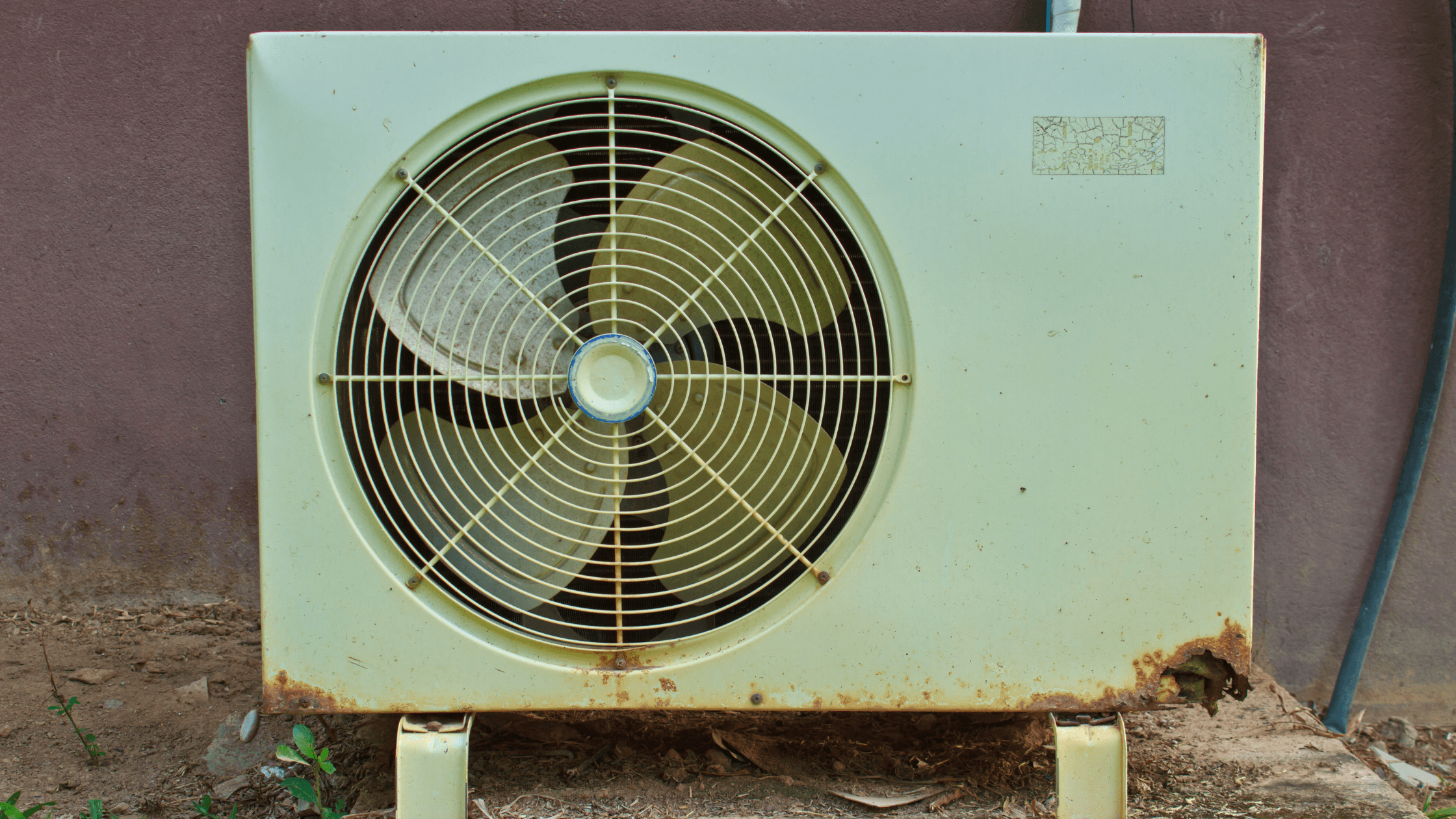
The most effective method for delaying expensive emergency repairs is strict implementation of proactive, systematic maintenance. Waiting for a system to break before servicing it is inherently the most expensive way to manage climate control infrastructure.
Comprehensive Heating and Air Conditioning Service
Complete system protection evaluates both cooling and heating mechanisms. A bi-annual service should include refrigerant pressure verification, condensate drain flushing, electrical load testing, and coil decontamination to maintain efficiency and prevent mold risks.
Knowing When to Upgrade Your Equipment
Every mechanical system eventually reaches a mathematical point of diminishing returns. Funneling thousands of dollars into an aging, severely degraded unit is a poor financial strategy. When repair estimates exceed a substantial fraction of equipment value or the system uses obsolete refrigerants (like R-22), replacement is often the most logical path.
The Financial Impact of Modern Efficiency
Modern variable-speed compressors and higher SEER2 ratings deliver substantial energy savings. Upgrading from an older 10 SEER to an 18 SEER system can reduce utility expenses significantly and produce long-term ROI that often justifies the upfront cost.
Combating Florida Humidity and Air Quality
Temperature regulation is only one half of climate control — the other half is managing indoor air quality. Excess humidity encourages mold and airborne pathogens; solutions include whole-home dehumidifiers, HEPA filtration, and UV purifiers for commercial facilities.
The Phasing Out of Older Refrigerants
Federal regulations are phasing out older refrigerants. Upgrading to modern refrigerants such as R-410A or R-454B ensures compliance and avoids prohibitively expensive recharges.
Partnering with Premium Mechanical Experts
Managing the complex lifecycle of climate control infrastructure requires a transparent, licensed partner. American Air Conditioning & Restoration offers white-glove service, verified credentials, and upfront pricing to guide property owners through maintenance, emergency repairs, and system upgrades.
Securing total comfort requires proactive maintenance, rapid emergency response, and strategic replacement planning. Partner with trusted professionals to protect your property and budget year-round.