

Published 2026-05-21
A comprehensive strategy for recognizing and responding to HVAC emergencies to protect people and property in Sarasota.
Florida’s extreme summer heat makes functional air conditioning a structural necessity. A sudden catastrophic cooling failure quickly escalates from an inconvenience into a severe safety threat. This strategy outlines how to handle critical mechanical breakdowns safely and effectively.
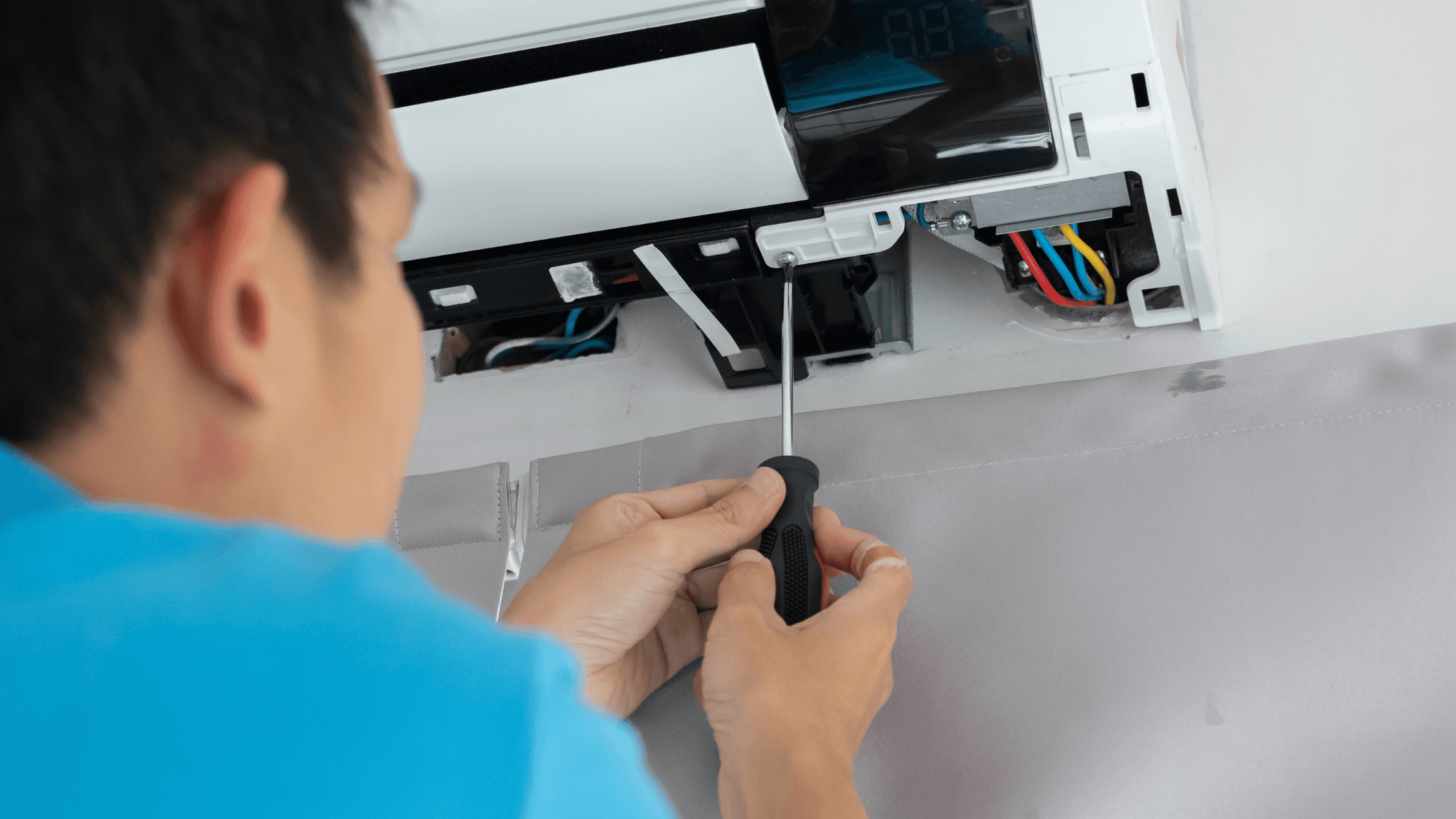
Recognizing True Mechanical Crises
Differentiate between standard malfunctions and genuine emergencies. Signs like thick smoke or burning odors require immediate power shutdown and professional intervention.
Handling Urgent Mechanical Failures
Shut off power at the main breaker for exposed sparking or burning; do not attempt dangerous DIY fixes. Call licensed professionals who follow NFPA electrical safety guidelines.
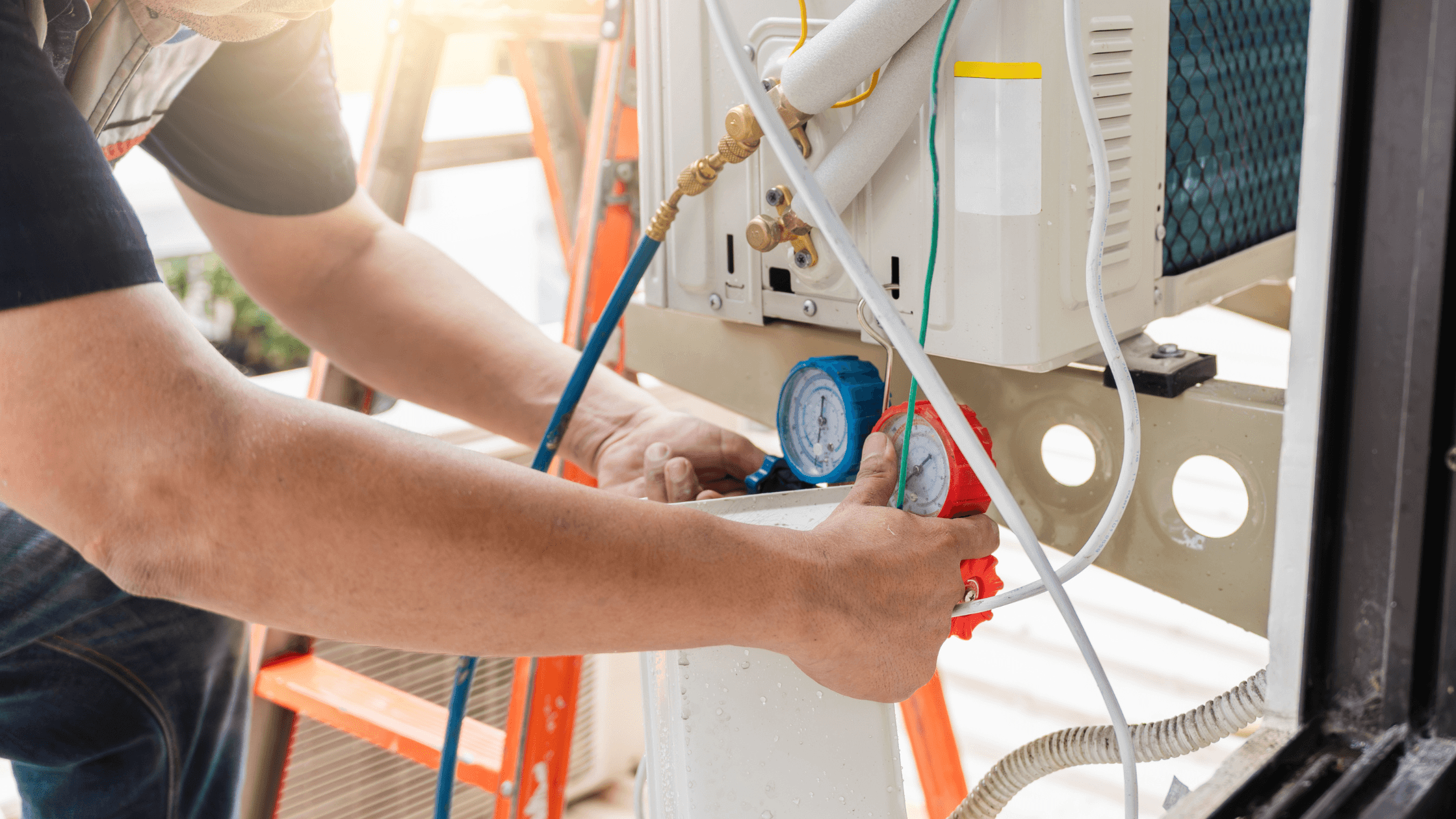
The Heart of Your Cooling Infrastructure
The exterior compressor is the heart of the cooling system; compressor failures require specialized repair or replacement by certified technicians who can handle refrigerants and high-voltage safely.
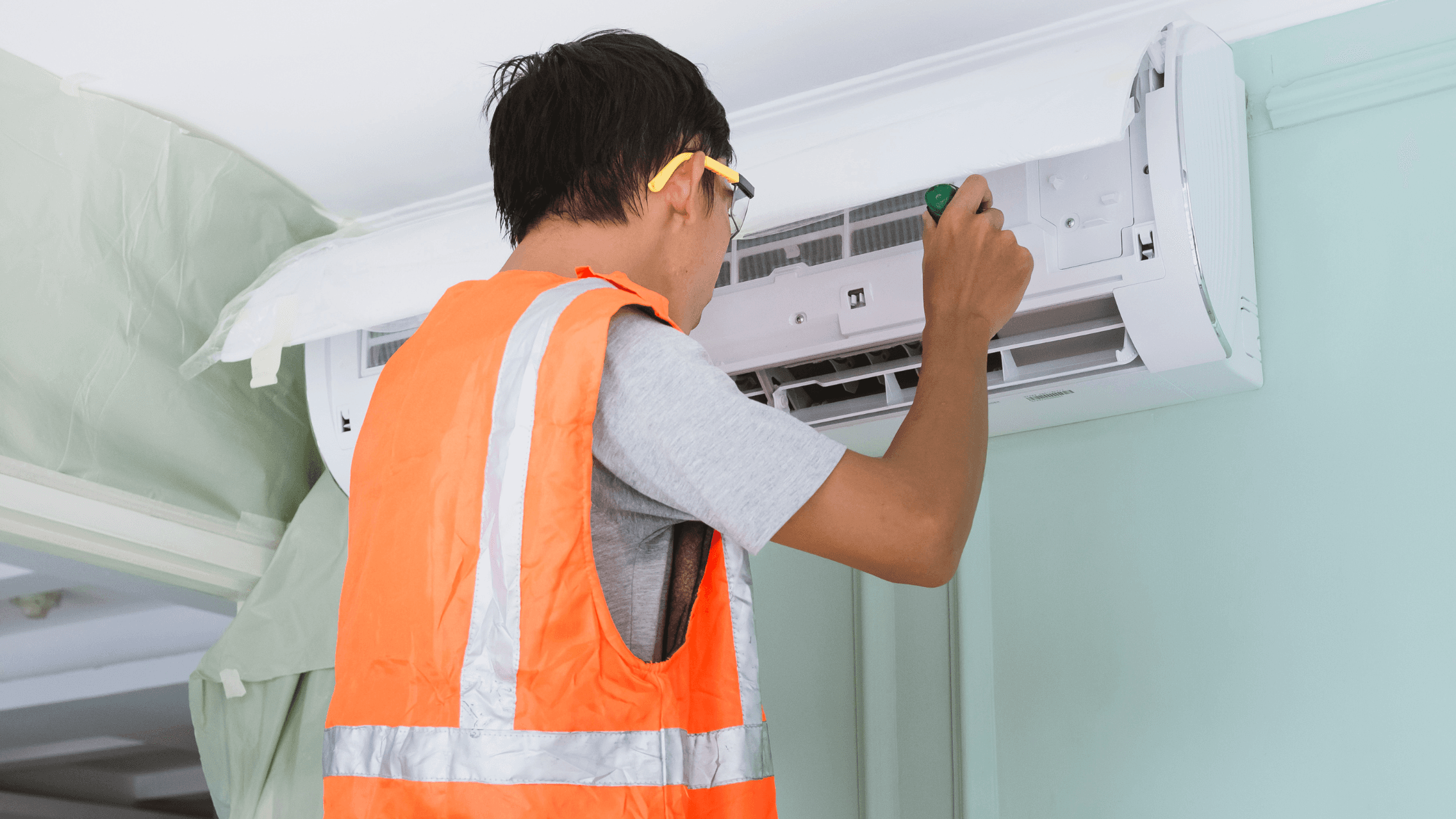
Mitigating Severe Property Damage
Rapid water leaks from condensate backups can cause catastrophic structural damage and mold. Professional technicians use compressed nitrogen to clear lines and sanitize cabinets to prevent fungal contamination.
The Professional Dispatch Process
In emergencies, prioritize immediate, high-priority dispatch. FEMA highlights extreme heat as a dangerous event — rapid intervention protects vulnerable occupants.
Adopting a Broader Lifecycle Strategy
Avoid reactive emergency fixes; invest in bi-annual preventative tune-ups to catch failing parts early and prevent full system meltdowns.