

Published 2026-05-07
Tips for diagnosing common air and heat system issues, quick fixes, and maintenance advice.
Air and Heat Repair Guide for Reliable HVAC Comfort
Indoor comfort relies on dependable heating and cooling, and when an HVAC system fails, homes and businesses quickly feel the impact through discomfort, downtime, and wasted energy. That is why air and heat repair matters: it restores stable temperatures, protects indoor air quality, and keeps equipment running efficiently. When technicians handle issues early and correctly, property owners avoid bigger breakdowns, reduce long-term costs, and extend the life of key components. In this guide, you will understand how HVAC systems work, the warning signs that signal trouble, and how professional repairs support consistent comfort, safety, durability, and reliable performance year-round.
Understanding the Importance of Air and Heat Repair
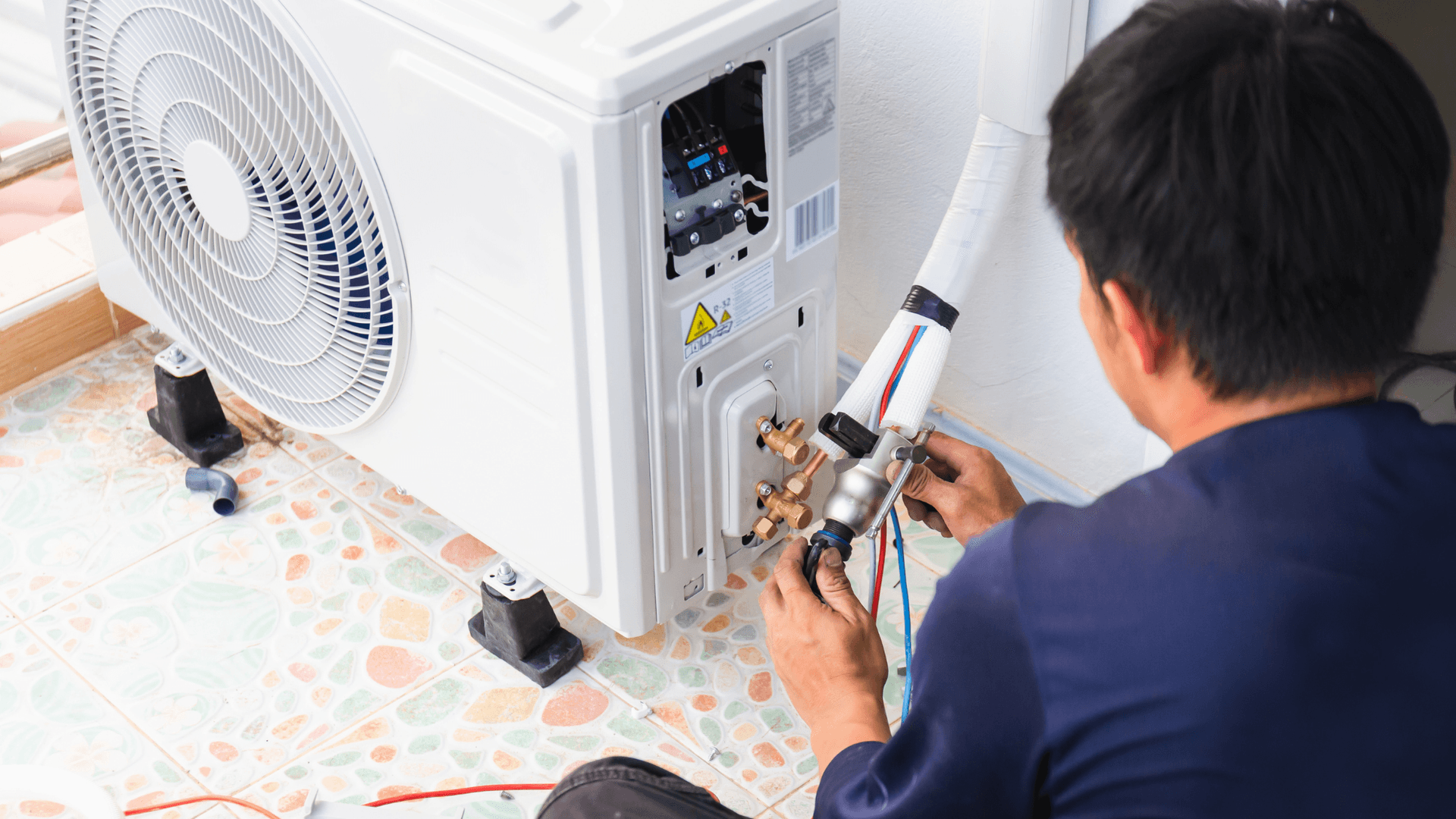
Heating and cooling systems run year-round. In warm climates, AC units operate for long periods, while heaters support comfort in cooler weather. Because they run often, parts like compressors, fans, filters, and wiring wear down, reducing efficiency and increasing energy costs.
Professional air and heat repair fixes issues before they grow. Technicians find the root cause and restore performance, keeping comfort steady and avoiding waste. Regular service also prevents small problems from becoming costly replacements.
Common Signs Your HVAC System Needs Repair
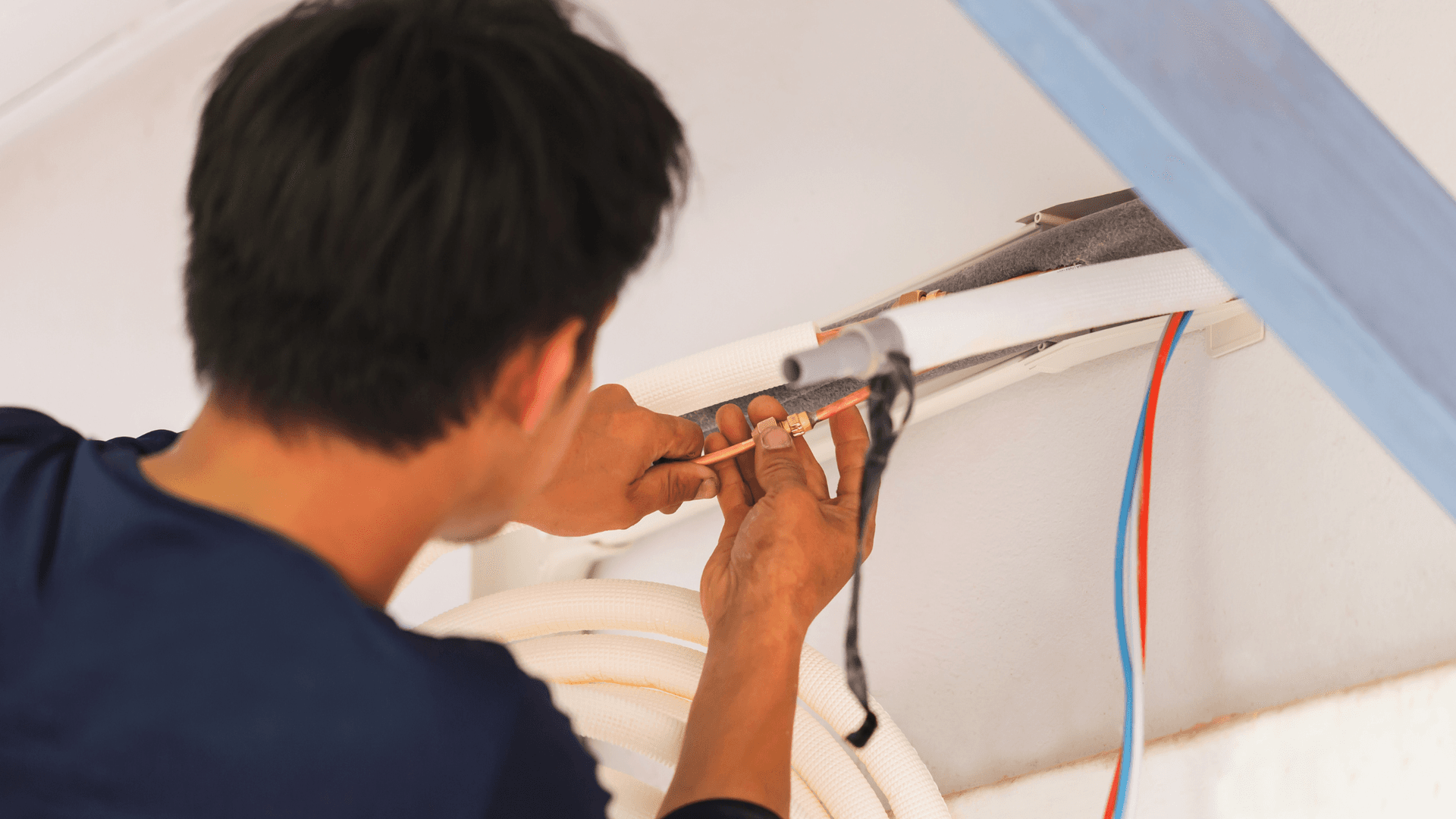
Most HVAC systems show warning signs before a major failure occurs. Recognizing these early indicators helps prevent further damage.
1. Poor Cooling or Heating Performance
If your system struggles to reach the desired temperature, the problem may involve airflow restrictions, refrigerant issues, or worn components. Technicians can diagnose the system quickly and restore proper operation.
2. Unusual Noises
Grinding, rattling, or buzzing sounds often signal mechanical problems in your HVAC system. Loose parts, motor wear, or fan damage can cause these noises and require professional attention.
3. Rising Energy Bills
A sudden increase in energy consumption usually indicates that the HVAC system is working harder than necessary. When internal components become inefficient, energy usage rises significantly.
4. Uneven Temperature Distribution
If some rooms feel cooler or warmer than others, the system may have airflow or ductwork issues. Repairing these problems improves both comfort and efficiency across your entire home.
5. Frequent Cycling
If some rooms feel cooler or warmer than others, the system may have airflow or ductwork issues. Repairing these problems improves both comfort and efficiency across your entire home every day.
By addressing these signs early, property owners can reduce repair costs and prevent unexpected breakdowns.
Key Components Involved in HVAC Repair
HVAC systems consist of several integrated components. When technicians perform repairs, they examine each element carefully.
Compressor and Condenser: Compressor and condenser are essential. They regulate refrigerant flow and remove heat. When they fail, cooling becomes inefficient.
Evaporator Coil: The evaporator coil absorbs heat during cooling. Dirt or corrosion reduces efficiency and may require cleaning or replacement.
Blower Motor and Fans: Blower motors move air and distribute it through the building. When they wear out, airflow weakens and performance drops.
Thermostat and Electrical Components: Thermostats control operation. Faulty sensors or wiring can cause inaccurate readings and irregular performance.
Professional technicians inspect these components carefully to ensure the HVAC system operates safely and efficiently.
The Role of Preventive Maintenance
Preventive maintenance plays a major role in reducing repair needs. Routine inspections help detect small issues before they grow into serious mechanical failures.
Maintenance typically includes:
Inspecting electrical connections.
Checking refrigerant levels.
Cleaning coils and filters.
Testing system controls.
Evaluating airflow and ductwork.
Regular service improves energy efficiency and extends the lifespan of HVAC equipment. It also reduces the risk of sudden system breakdowns during extreme weather conditions.
Air Quality and HVAC System Performance
Many property owners overlook the connection between HVAC performance and indoor air quality. However, the heating and cooling system continuously circulates air throughout a building.
When filters, ducts, or components become contaminated, airborne pollutants may spread through the indoor environment. Dust, pollen, mold spores, and bacteria can accumulate inside HVAC systems if maintenance is neglected.
Improving HVAC performance, therefore, supports healthier indoor air conditions. Proper filtration, humidity control, and system cleaning reduce airborne contaminants and improve overall comfort.
Why Professional HVAC Repair Matters
Although some maintenance tasks appear simple, HVAC systems require specialized expertise. Attempting complex repairs without proper training can lead to additional damage or safety risks.
Professional technicians offer several advantages:
Trained technicians use diagnostic tools to identify problems fast. They avoid unnecessary replacements and fix the exact cause.
HVAC systems involve electricity, refrigerants, and moving parts. Professionals follow safety procedures that protect property and occupants.
Correct repairs restore efficiency and reduce energy use. A well-functioning HVAC system maintains comfort without excessive power.
Correct repairs improve reliability and lifespan. Preventive maintenance plus professional repairs keep performance consistent year-round.
Overall, professional HVAC repair protects comfort, reduces costly breakdowns, and keeps your system performing at its best.
Residential and Commercial HVAC Needs
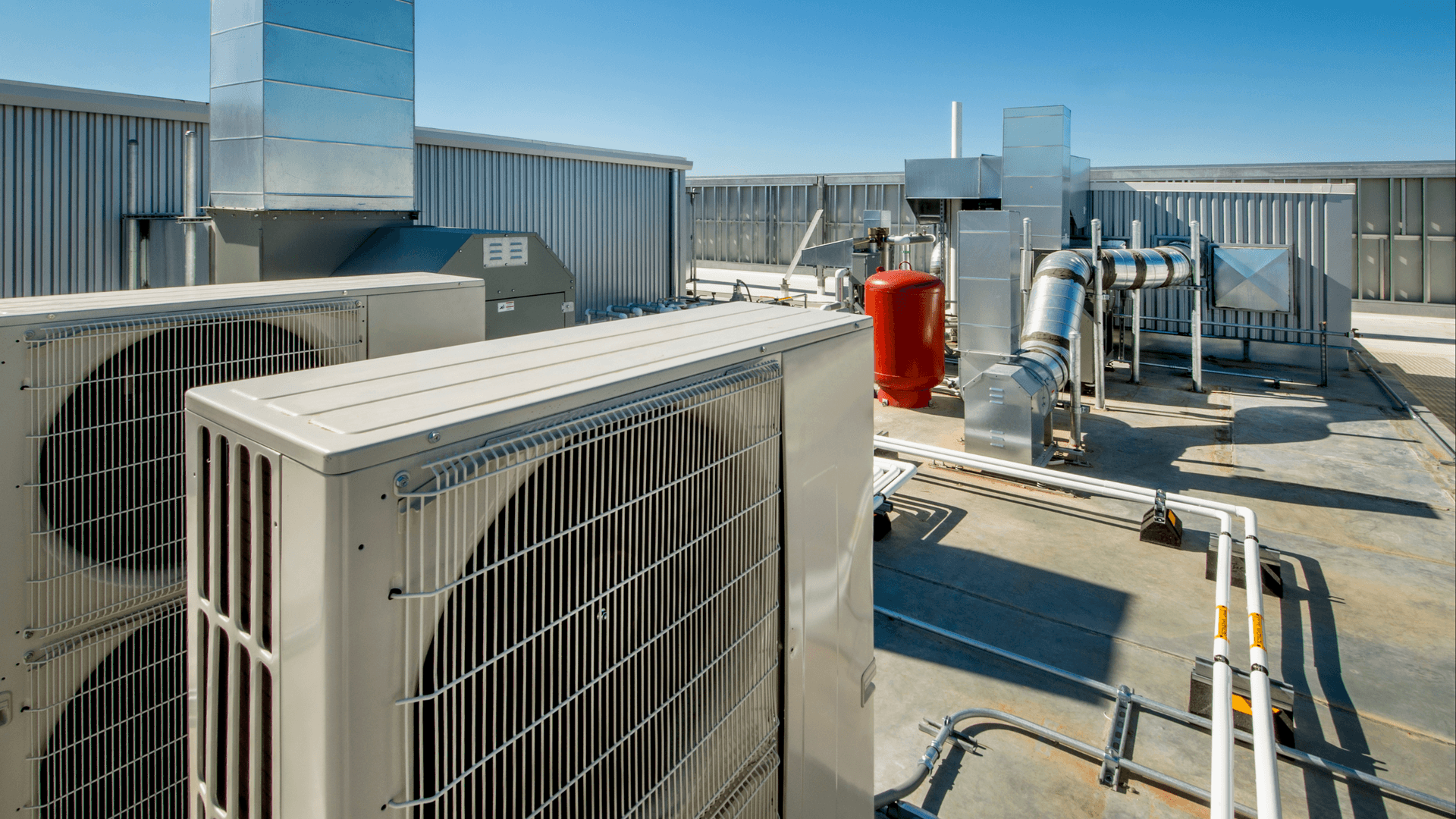
Air and heating systems serve homes and businesses, yet commercial HVAC needs more complex service. Reliable repairs and routine maintenance keep larger units running, prevent downtime, and protect productivity.
Residential systems deliver comfort, quiet operation, and efficient airflow.
Commercial systems run longer and handle heavier peak loads.
Rooftop units and duct networks need expert, safe servicing.
Scheduled service cuts downtime and protects long-term comfort.
Overall, proactive HVAC care keeps both homes and businesses comfortable, efficient, and interruption-free year-round.
Emergency HVAC Repair Services
Unexpected system failures can occur at any time, especially during peak summer or winter conditions. Emergency repair services ensure that HVAC systems return to operation quickly.
Emergency technicians respond rapidly to diagnose issues such as:
Complete system shutdown.
Electrical malfunctions.
Refrigerant leaks.
Compressor failures.
Severe airflow problems.
Prompt repairs prevent extended discomfort and protect buildings from further damage.
Conclusion
Reliable heating and cooling systems are essential for maintaining indoor comfort, efficiency, and air quality, and when problems arise, timely air and heat repair ensures HVAC equipment continues to operate safely and effectively. By recognizing early warning signs, scheduling regular maintenance, and relying on professional technicians, property owners can prevent major system failures and extend the lifespan of their equipment. For homes and businesses in Florida seeking dependable HVAC services, American Air Conditioning & Restoration provides expert solutions, including repair, maintenance, air quality services, and emergency support designed to keep properties comfortable year-round.