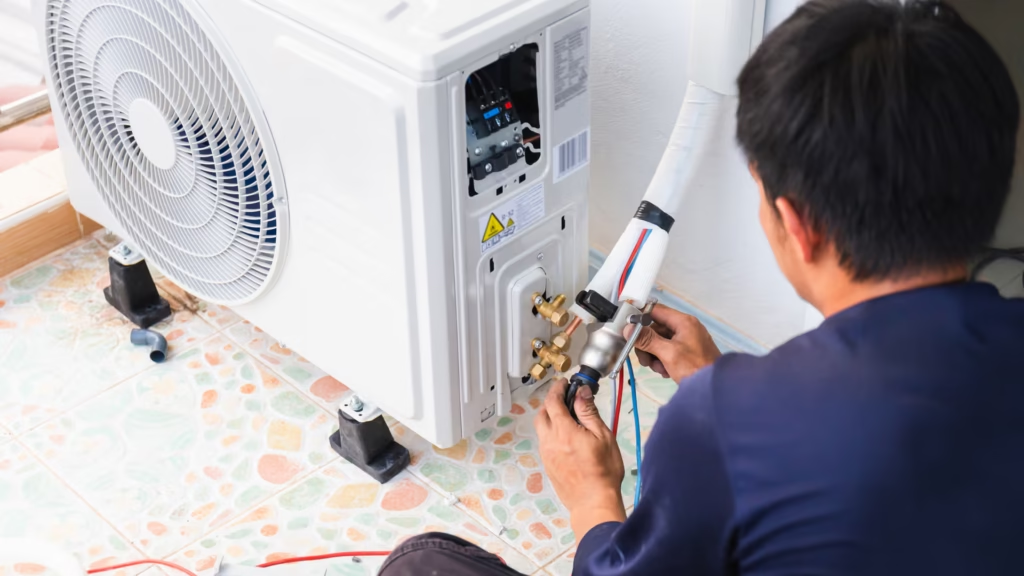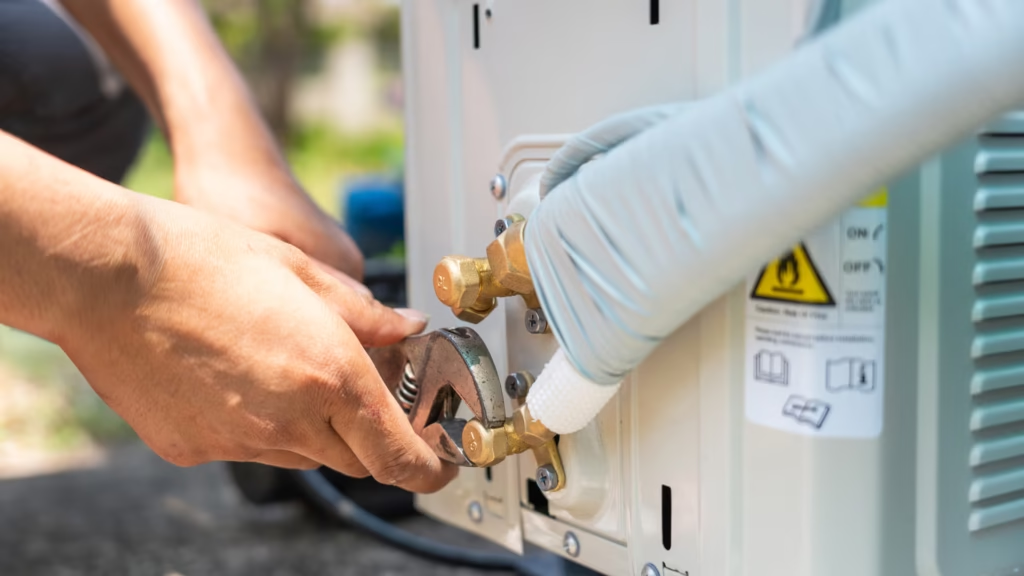
HVAC repair essentials: how to spot issues early, quick fixes you can try, and why preventive care saves money.
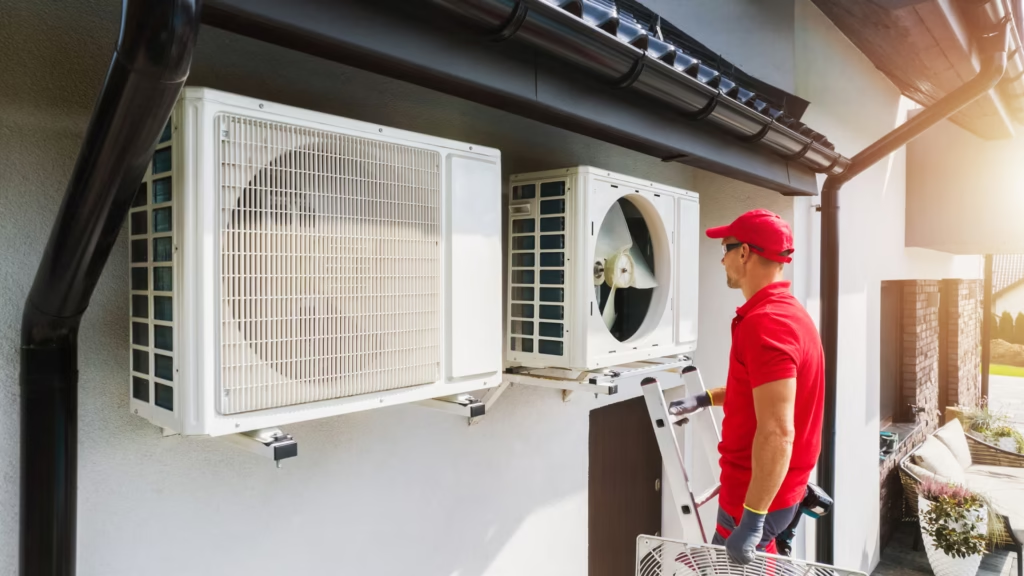
HVAC Repair in Sarasota & Manatee County: A Florida-Ready Guide
Florida heat and humidity push your system hard, so small issues can turn into bigger failures faster than you expect. However, you can protect comfort, efficiency, and indoor air quality when you spot early clues—like weak airflow, uneven cooling, rising humidity, or unusual noises—and respond before the system shuts down. Therefore, this guide explains what a professional service visit should include, what questions help you confirm the real root cause, and which simple habits reduce repeat problems after the repair is done.
Why Florida Conditions Demand a Smarter Approach
Long cooling seasons keep compressors, blowers, and electrical parts under constant load. Consequently, dirty coils or weak airflow make the system work harder, and that strain can push pressures and temperatures into unsafe ranges that trigger safety shutoffs. Additionally, Florida humidity produces constant condensate, so a partially clogged drain line or a sensitive float switch can stop cooling suddenly—often at the worst time of day. Near the coast, salt air and wind-driven moisture can wear outdoor coils and cabinet components faster, so routine cleaning and inspections help you catch corrosion, protect performance, and avoid surprise breakdowns
Early Warning Signs You Should Never Ignore
You can often notice trouble before the system stops. Moreover, you can shorten the visit when you describe symptoms clearly during scheduling. Watch for these signals:
1. Warm air or slow cooling
2. Weak airflow or hot spots
3. Short cycling
4. High indoor humidity
5. Musty odors
6. Buzzing, sparking, or burning smells
Because Florida homes can heat up quickly, you should schedule hvac repair as soon as these signs appear.
What a Quality Service Visit Should Include
A strong technician starts with verification instead of assumptions. First, the technician confirms thermostat behavior, checks filters, and measures airflow at key vents. Next, the technician inspects the air handler, drain pan, and condensate line, because moisture problems can shut a system down. Then, the technician tests electrical health, including capacitors, contactors, and safety switches, and the technician checks performance readings that reveal coil and refrigerant behavior.
After the technician finds the root cause, the technician completes the fix, restarts the system, and verifies stable operation under load. Additionally, the technician should explain what failed and what triggered the failure, because that guidance helps you prevent a repeat call.
Common Problems Florida Technicians Solve Every Week
You get better outcomes when you understand what each fix targets. Therefore, use these examples to describe your issue and ask better questions.
- Airflow and Duct Restrictions
Restricted airflow makes the system work harder, so coils can freeze or overheat and rooms can cool unevenly. Technicians check filters, blower performance, return airflow, and duct leaks to restore smooth, balanced delivery.
- Refrigerant and Coil Performance
Low refrigerant or dirty coils reduce heat transfer, so cooling feels weak and the system runs longer. Technicians look for leaks, confirm proper charge, and clean coils to bring pressures and temperatures back to normal.
- Electrical and Control Failures
Heat and long run times stress electrical parts, so capacitors, contactors, or loose connections can fail suddenly. Technicians test components, tighten wiring, and verify thermostat signals and safety controls to prevent random shutdowns.
- Drainage and Humidity Control
Humidity creates constant condensate, so clogs can trigger overflow switches and stop cooling. Technicians clear drain lines, inspect the drain pan, and confirm proper drainage to keep the system running consistently.
- Heat Pump and Heating-Mode Issues
Season shifts can reveal heat pump issues, so you should test heating mode early. Technicians verify defrost operation, switching behavior, and airflow so heating stays stable when temperatures drop.
When you match symptoms to systems, you help the technician confirm the true cause faster.
Pair Comfort Fixes with Cleaner Indoor Air
Your system circulates air across the property, so you should treat breathing quality as part of every service call. Additionally, you should manage humidity because moisture can amplify allergens and odors in Florida. For example, teams can install and maintain allergy-rated filters, including options like MERV 8 or higher, to capture dust and airborne particles before they recirculate.
If you notice heavy dust, allergy flare-ups, or musty smells, you should ask for airflow and moisture checks during hvac repair. Moreover, you should request a targeted evaluation when you suspect hidden moisture, because ventilation improvements can support mold prevention.
Commercial Spaces Need Speed and Documentation
Businesses depend on stable comfort for people and equipment. Consequently, commercial teams prioritize quick diagnostics and clear reporting for offices, retail spaces, medical facilities, and restaurants. Technicians often address poor airflow, inconsistent cooling, refrigerant leaks, electrical failures, and system breakdowns, and technicians should verify steady operation before they leave.
Additionally, you should schedule preventive service at least twice per year, because that cadence helps you catch issues early during Florida’s hottest months.
How to Reduce Repeat Calls After hvac Repair
Repairs solve today’s failure, while habits reduce tomorrow’s risk. Therefore, use a Florida-ready routine:
- Change filters on schedule.
- Keep returns and vents open.
- Watch drainage and overflow switches.
- Keep outdoor units clear of debris.
- Book seasonal inspections before peak heat.
Furthermore, you should choose a licensed team that offers 24/7 emergency availability, because Florida heat can create urgent situations.
Conclusion
When you approach hvac repair as a diagnostic process, you protect comfort, support cleaner indoor air, and reduce repeat breakdowns. If you want a team that can restore cooling fast, stabilize humidity, and fix the root cause—not just the symptom—choose American Air Conditioning & Restoration.
They don’t only handle HVAC. They also support the bigger picture when Florida moisture becomes a problem. So, you can get cooling and heating service, indoor air quality improvements, commercial HVAC support, plus mold and restoration assistance from one experienced local company serving Sarasota and Manatee County. When you need dependable results and clear communication from the first check to the final system test, contact American Air Conditioning & Restoration.